
How to Make the Most Out of Your Child’s School
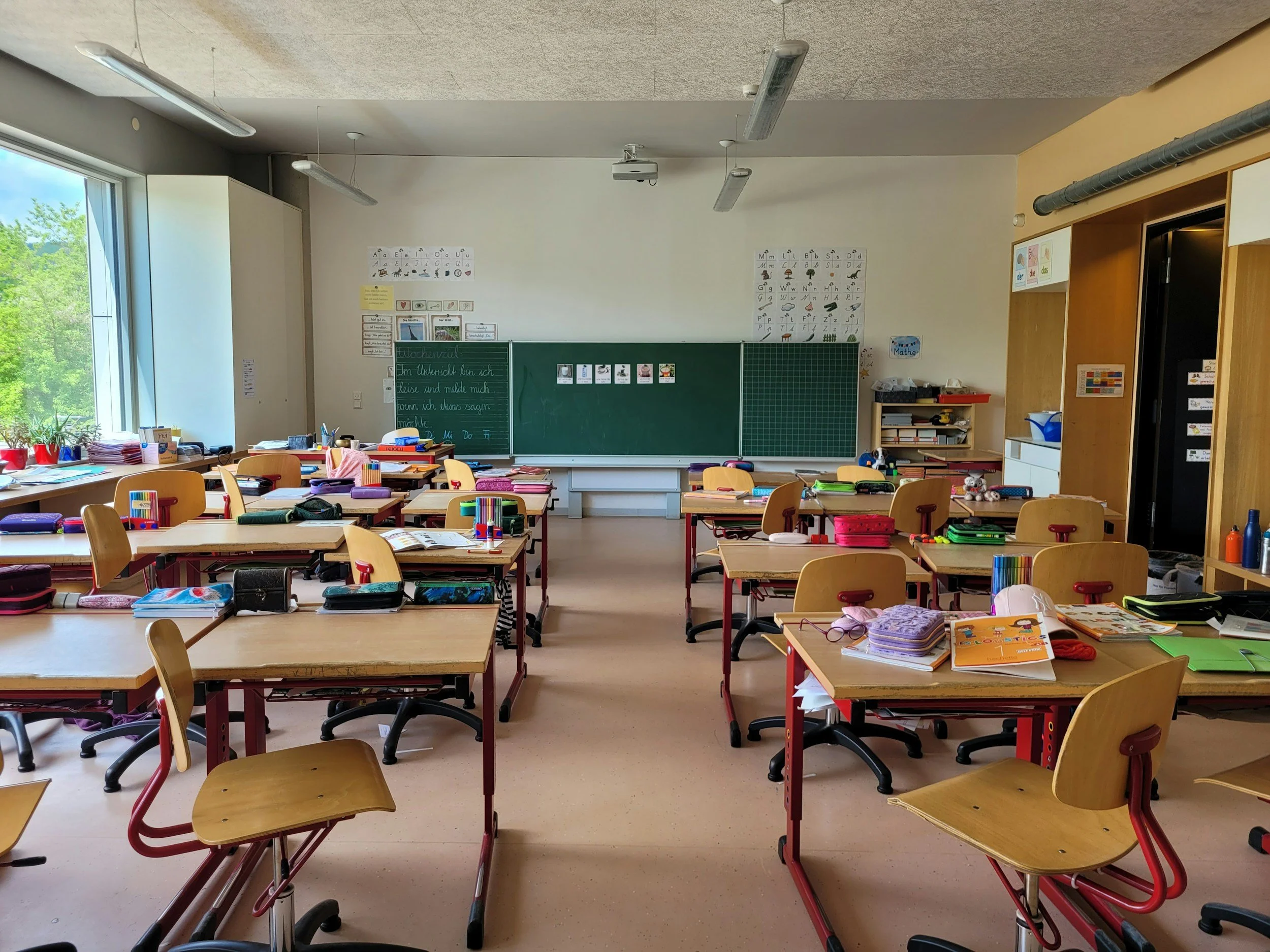
Schools offer far more support and opportunity than many parents realise, but knowing how to access it can make all the difference.
When parents feel informed and involved, children are often more confident, settled, and supported in their learning. Here are some practical ways to make the most of what your child’s school can offer.
Ask for the Curriculum Plan
One helpful starting point is to ask your child’s teacher or Head of Department for an overview of the curriculum for the term or academic year. This allows you to understand which topics will be covered and when, as well as when assessments are likely to take place. While plans may be subject to change, having a broad overview helps you anticipate busier periods and support your child more effectively at home.
Have Open Conversations With Teachers
Teachers have valuable insight into how your child is progressing day to day. It can be helpful to ask for honest feedback about your child’s strengths, areas for development, and classroom behaviour. These conversations don’t need to wait until formal parents’ evenings. Open communication helps ensure that concerns are addressed early and that support is consistent between home and school.
Ask for Recommended Resources
Teachers often know which websites, platforms, or resources align closely with the curriculum. Asking for recommendations can help you support learning at home in a way that complements what is being taught in school. Using relevant resources can make revision more focused, purposeful, and effective.
Explore Additional Academic Opportunities
Many schools offer subject-specific clubs, intervention sessions, extra support, or extension opportunities for students who need additional help or challenge. It is worth asking what is available and encouraging your child to take part where appropriate. These opportunities can reinforce understanding, build confidence, and provide enrichment beyond the classroom.
Consider Mentorship Opportunities
If you feel your child might benefit from additional guidance or encouragement, it may be worth asking teachers or Heads of Year whether mentorship opportunities are available. Some schools can buddy students with older pupils or even alumni who can share their experiences, study strategies, and practical advice. Having a mentor can help students feel supported, motivated, and reassured, particularly during exam years or periods of transition.
Request Assessment Feedback
After assessments, ask whether the school can share feedback directly with you. Understanding how your child performed, what they did well, and what they need to improve allows you to support them more meaningfully at home. Feedback often provides far more insight than grades alone.
Stay Organised and Informed
Make sure you have access to your child’s homework platforms, learning resources, and school communication systems. Knowing who your child’s teachers are and how to reach them if you need support can make communication smoother and less stressful when questions arise.
Making the most of your child’s school is not about pressure or constant involvement. It is about being informed, asking the right questions, and building positive partnerships with teachers. Small, proactive steps can have a lasting impact on your child’s learning and confidence.
If you would like further guidance on how to support your child academically or navigate school systems more confidently, please feel free to get in touch. We are always happy to offer thoughtful advice and support.
